About PG Electronics Discover more about PG Electronics with pg模拟器.
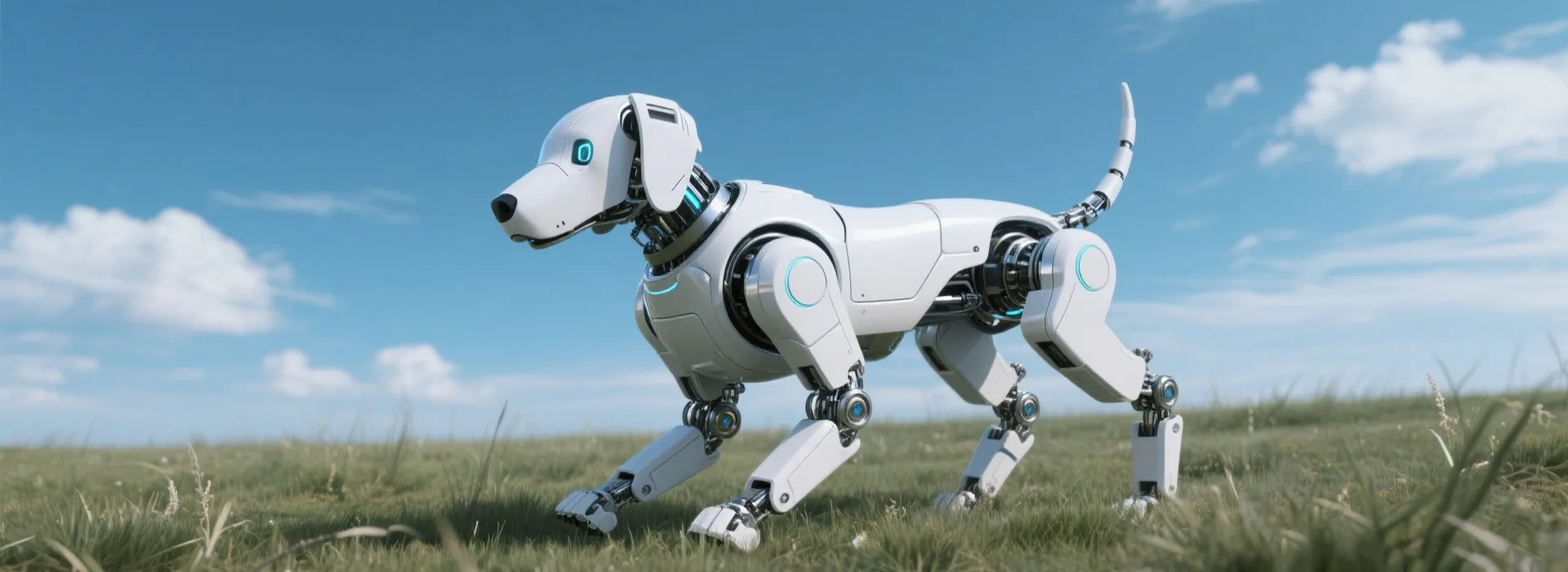
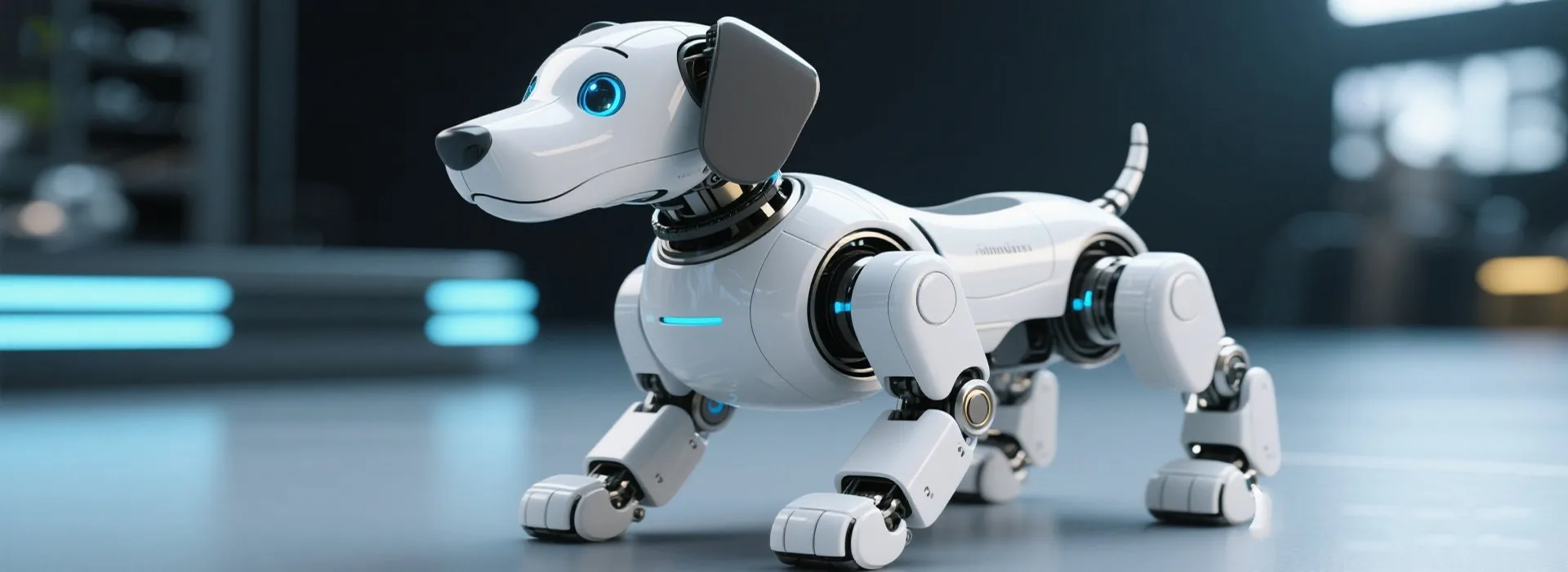
Intelligent robot dogs are quadruped robots that mimic canine locomotion. They combine mechanical structures, sensors, artificial intelligence (AI), and automatic control technologies to enable autonomous walking, obstacle avoidance, task execution, and even human interaction, making them a highly representative application in the field of robotics. The following introduces them from aspects of functions, technologies, application scenarios, and representative products: Functionality Agile Movement: Some intelligent robot dogs have enhanced joint performance, capable of executing actions such as jumping, rolling, pouncing, dancing, handstands, and sitting, with maximum running speeds of 5m/s or even higher. For example, Unitree's robot dogs can make heart shapes, shake hands, roll over, and act cute during events, demonstrating very flexible movements. Environmental Perception and Interaction: The head is equipped with a 4D vision module that can accurately recognize faces and gestures. Built-in advanced AI algorithms can analyze environmental data and make corresponding responses. For instance, the inspection robot dog "Yu Xiaoye" has a high-definition camera that can scan crops in greenhouses in detail, and environmental data acquisition sensors can monitor temperature, humidity, light, and carbon dioxide concentration in real-time, and accurately analyze crop growth status based on crop growth models. Emotional Interaction: Equipped with an emotional interaction module, it can perceive human emotions and simulate personality traits, achieving emotional interaction and feedback. For example, the KODA robot dog can perceive human emotions like joy, anger, sorrow, and happiness, achieving emotional interaction and feedback, coexisting and interacting with humans as a living entity. Technical Architecture Drive Technology: Electric drive is used, offering high control precision, fast response speed, and low noise. Bionic limbs are equipped with high-precision servo motors, endowing the robot dog with agile posture. Sensor Technology: Equipped with various sensors, such as 4D ultra-wide-angle LiDAR, multispectral cameras, and environmental data acquisition sensors, to achieve environmental perception and precise positioning. Artificial Intelligence Technology: Integrates visual, auditory, tactile, and olfactory sensors. Through deep learning and algorithm optimization, it achieves autonomous navigation, task execution, and intelligent interaction...
View Details